
By Fergal Gleeson
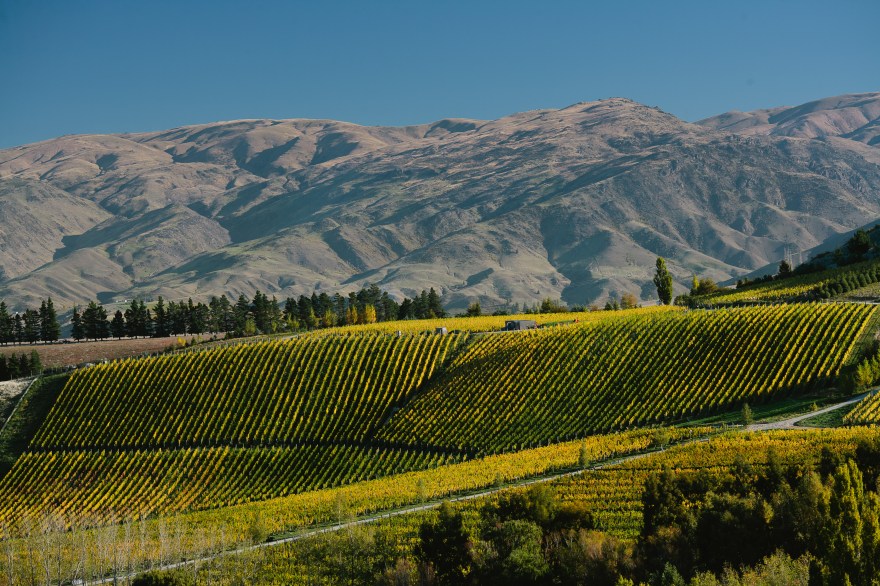
Twenty-two of Central Otago’s leading winemakers recently gathered at The International in Martin Place, Sydney, to showcase one of the world’s most exciting Pinot Noir regions.
Situated around the 45th parallel, Central Otago shares a latitude with the Pinot Noir heartlands of Burgundy and Oregon. Its semi-continental climate, marked by significant diurnal temperature variations, cold nights and abundant sunshine, helps produce wines that combine ripe fruit with freshness and structure.
While Pinot Noir remains the region’s hero grape, the tasting highlighted a region that is increasingly confident in its diversity, with subregional expression, alternative varieties and Chardonnay all helping shape its future.
1. Central Otago is still a small player on the world stage
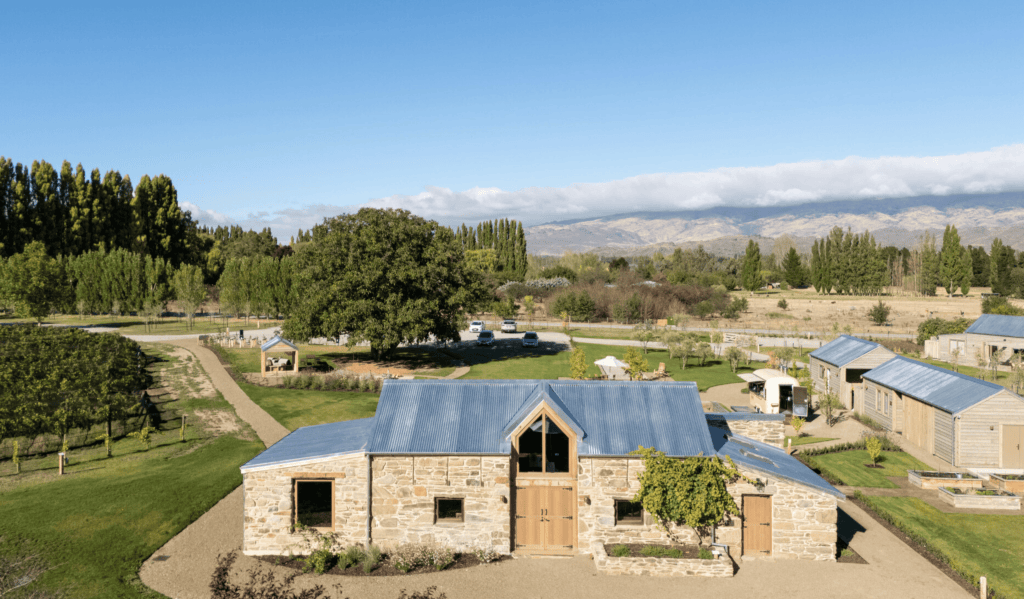
Nicholas Paris MW, an American Master of Wine and managing director and co-owner of Monte Christo Winery, offered an international perspective on the region. Monte Christo has a remarkable history, dating back to 1864 as Central Otago’s first winery. His family has recently restored the historic winery, which now serves as its cellar door.
Despite Central Otago’s international reputation for Pinot Noir, Paris pointed out that it remains relatively small compared with Marlborough, which has around 15 times more vineyard area. Marlborough also produces more Pinot Noir.
Pinot Noir accounts for more than 80% of Central Otago’s plantings, with Pinot Gris the next most significant variety. Chardonnay, Paris reckons, is one to watch, currently representing only around 6% of plantings.
Monte Christo produces a range of regional and single-subregion wines from their base in Alexandra, offering an opportunity to explore the diversity within Central Otago. Its ‘CENTRAL Pinot Noir 2024’ is an appealing, accessible introduction to the region.
2. Rippon demonstrates the beauty of delicacy and ageworthiness
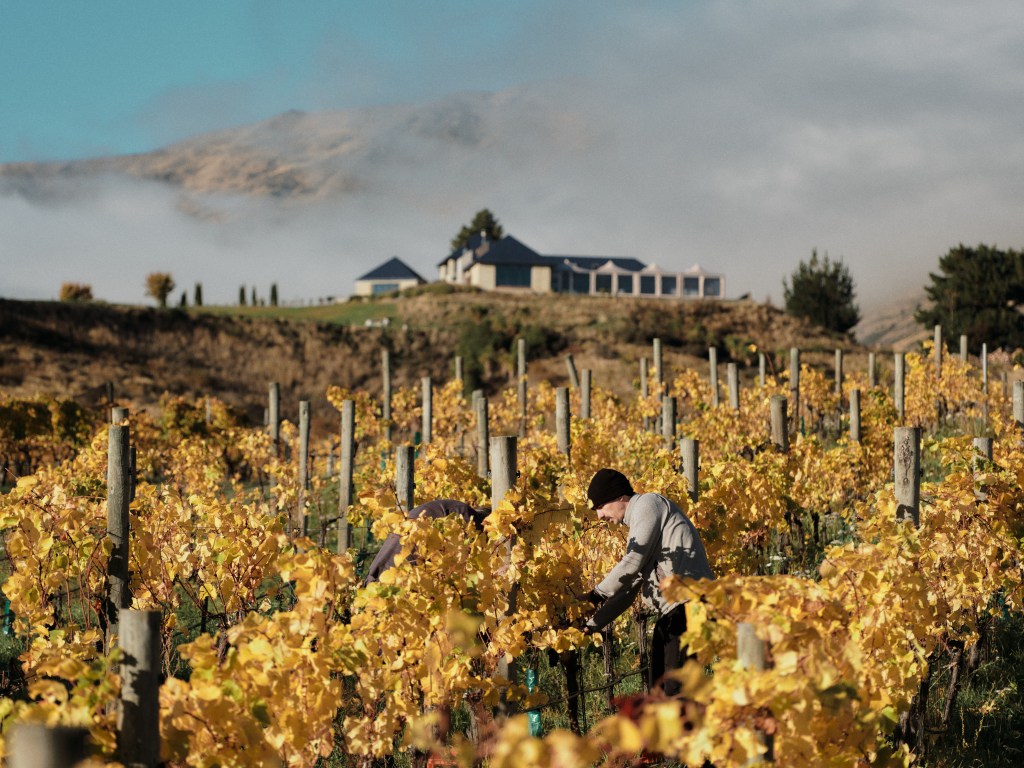
Based in the spectacular Wanaka subregion, Rippon is one of Central Otago’s most celebrated names. Its biodynamic vineyards are a distinctive part of the estate’s identity, and its wines have a personality that goes beyond simple fruit intensity.
The 2023 and 2024 Rieslings were standouts, both made in an off-dry style that balances residual sweetness with freshness and acidity. They are impressive now, with the structure to reward further ageing.
The 2023 ‘Emma’s Block’ and ‘Tinker’s Field’ Mature Vine Pinot Noirs also demonstrated what makes Rippon special. Their delicacy and finesse are supported by a fine but purposeful tannin structure, giving the wines both elegance and the capacity to develop in the cellar.
3. Alternative varieties are finding their place
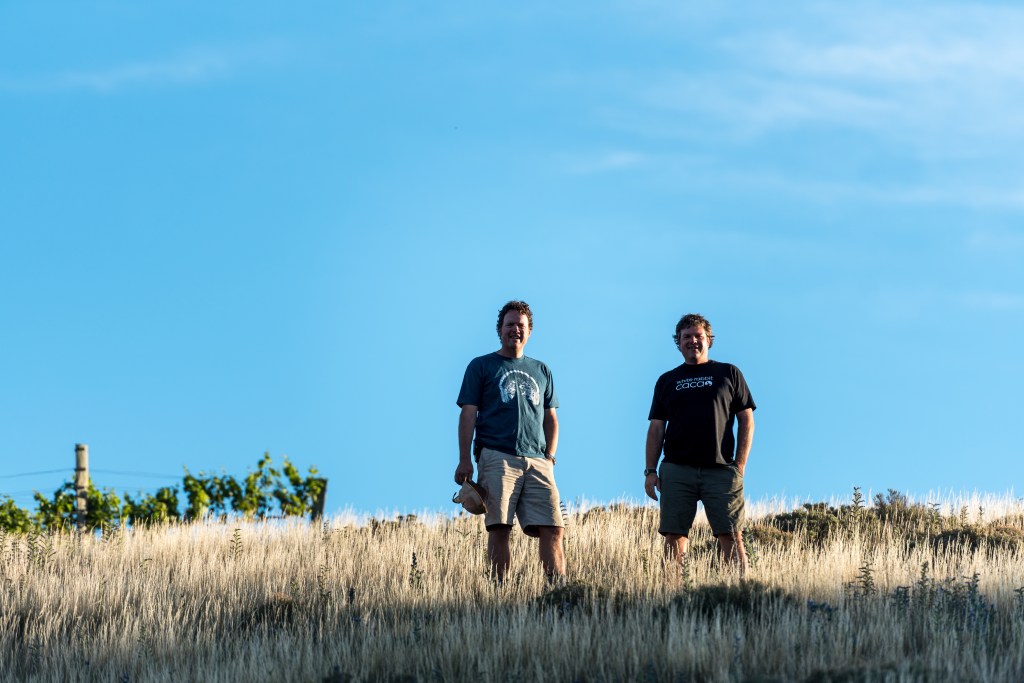
While Pinot Noir dominates, there is growing interest in varieties that offer something different.
Dicey was particularly impressive with its slightly pink ‘Chenin Blanc 2025’, a beautifully balanced and delicious wine that showed just how compelling the variety can be in the region. Its ‘Bannockburn Gamay 2023’, another relative rarity in Central Otago, was equally appealing.
These wines suggest that the region’s future need not be defined exclusively by Pinot Noir. Alternative varieties can provide both diversity for consumers and new avenues for winemakers to explore the region’s distinctive climate and soils.
4. Subregional Pinot Noir is where the detail lies
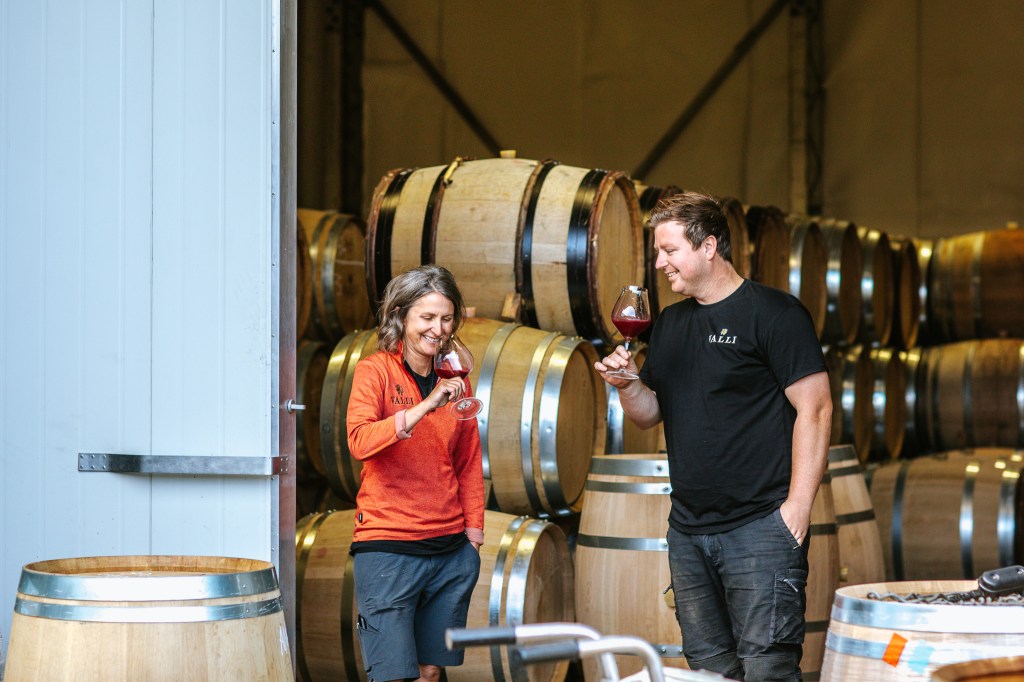
Central Otago is not a single, uniform expression of Pinot Noir. Differences in altitude, exposure, soil and growing conditions create meaningful distinctions between its subregions.
Valli has long been a leader in exploring these differences, producing single-subregion Pinot Noirs from Gibbston, Bannockburn and Bendigo. The wines reflect varying levels of ripeness and different expressions of fruit, structure and texture, depending on their vineyard origins.
This focus on place is central to the region’s continued development, moving the conversation beyond a generic Central Otago style towards a more detailed understanding of individual sites.
Valli’s ‘”The Real McCoy” Pinot Gris Orange Wine 2024’ was another highlight, demonstrating a more serious, textural interpretation of the variety.
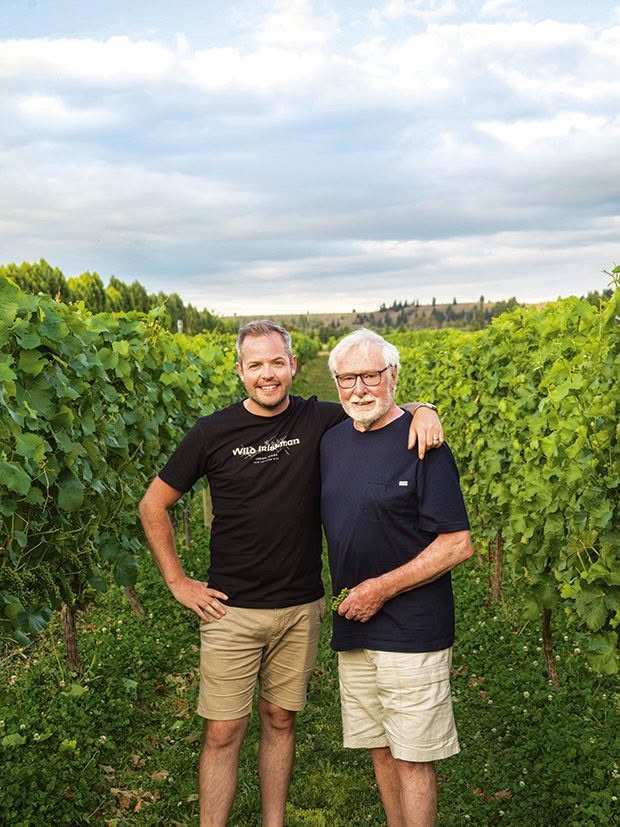
I also spoke with Brian Reid, winemaker at Wild Irishman, which similarly offers a range of single-subregion Pinot Noirs. The growing number of producers exploring these distinctions suggests that subregional identity will become increasingly important to the region’s reputation.
The days when Central Otago Pinot Noir was primarily associated with a heavier, more Shiraz-like style are giving way to a greater emphasis on finesse, freshness and site expression.
The best wines at the tasting demonstrated that ripeness and concentration need not come at the expense of elegance. Subregional Pinot Noir is increasingly the focus, with producers seeking to communicate the nuances of their individual vineyards.
There is also the consideration being given to legally defined geographical indications for the subregions, which could further clarify their identities and help consumers understand the differences between them.
5. The style is evolving, and Chardonnay is on the rise
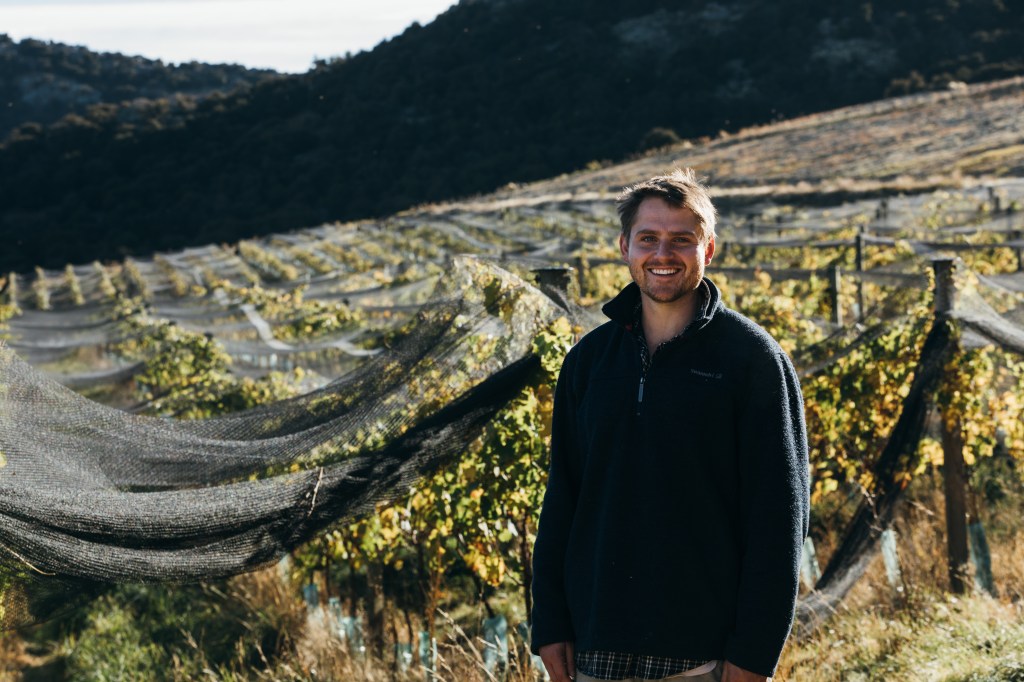
Finally, Chardonnay deserves attention. Although it represents only a small proportion of the region’s vineyards, it has considerable potential. As producers continue to explore the variety, it could become an increasingly important part of Central Otago’s story.
The takeaway
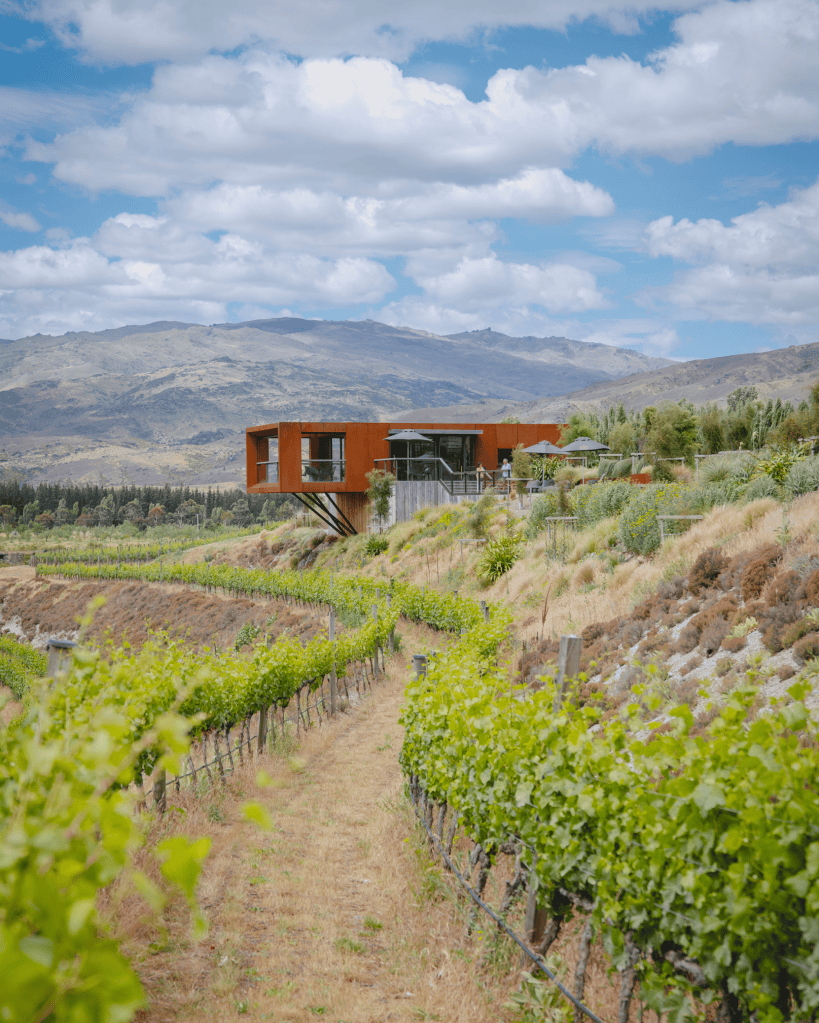
Central Otago is continuing to evolve. Pinot Noir remains at its heart, but the emphasis is shifting from power towards precision, delicacy and a stronger sense of place.
Subregional expression is becoming more important, alternative varieties are showing genuine promise, and Chardonnay is a category worth watching.
Central Otago has already established its credentials as a world-class Pinot Noir producer. Its next chapter will be about demonstrating just how much more it can offer.
photos courtesy of centralotagowine.co

